
Smart logistics: delivering end-to-end visibility through full solution selling
Logistics operations are under more pressure than ever. Rising customer expectations, tighter delivery windows, labor challenges, and ongoing supply chain disruption are forcing organizations to rethink how they move, track, and protect goods—from the warehouse floor to the last mile.
What’s becoming clear is this: disconnected tools can’t keep up with connected operations.
Smart logistics is not about deploying another device or platform. It’s about delivering real-time visibility, automation, and insight across the entire supply chain. And achieving that requires full solution selling—integrated ecosystems designed to work together, not isolated point products.
Smart logistics is the ability to see, track, and optimize assets, inventory, and movement in real time across the supply chain.
Rather than relying on static data or manual processes, smart logistics environments use connected technologies to continuously capture, share, and act on operational information. The result is faster decision-making, improved accuracy, and greater control from dock door to delivery confirmation.
At its core, smart logistics connects:
Together, these components transform operations into actionable intelligence—not just information.
The warehouse of the future is already taking shape. Across distribution centers and fulfillment hubs, logistics organizations are adopting smarter, more connected systems to improve throughput, accuracy, and visibility.
Key technology trends in logistics include:
When these technologies are integrated, they create a continuous flow of real-time data. Inventory levels update automatically. Exceptions are flagged earlier. Orders move faster with fewer errors. And operations teams gain the insight they need to respond before small issues become costly delays.
This level of performance isn’t possible when systems operate in silos. It requires full solution selling—where hardware, software, and connectivity are designed to work as a unified ecosystem.
Smart logistics doesn’t stop at the loading dock.
Transportation and last mile delivery are critical points of visibility—and risk—within the supply chain. Without real-time insight into vehicle location, condition, and performance, organizations are left reacting to problems after they occur.
Smart logistics solutions extend visibility through:
These capabilities help logistics organizations improve delivery accuracy, reduce fuel and maintenance costs, and provide customers with more reliable timelines and updates.
For partners, this creates opportunities to deliver integrated solutions that connect warehouse operations, transportation systems, and customer-facing data into a single, coordinated view.
Visibility isn’t only about efficiency—it’s also about protection.
Logistics environments face increasing risk across warehouses, yards, and fleets. Smart logistics solutions incorporate advanced safety and security technologies to help organizations better protect people, assets, and inventory.
Examples include:
When security technologies are integrated with operational data, organizations gain a clearer picture of risk and performance across the supply chain—enabling faster response and more informed decisions.
While every logistics environment is different, smart logistics solutions are built on a common set of core capabilities:
Asset tracking
Real-time location and condition monitoring of inventory, pallets, vehicles, and equipment across facilities and transit.
Warehouse automation
Faster picking, packing, and material handling enabled by mobility, RFID, and automation technologies.
Fleet and last mile visibility
GPS tracking, telematics, and delivery confirmation that improve efficiency and accountability.
Analytics and insights
Operational data transformed into actionable intelligence that supports forecasting, planning, and continuous improvement.
Individually, each capability adds value. Together, they deliver outcomes that logistics customers increasingly expect.
Smart logistics works only when systems are connected.
When these components are sold and deployed together, organizations gain insight—not just information.
This is where full solution selling becomes essential. In logistics, success depends on designing and delivering complete ecosystems, not isolated components. Devices, software, connectivity, and services must be aligned from the start to support scalability, performance, and long-term adoption.
Full solution selling in logistics means moving beyond transactional sales and toward outcome-driven partnerships.
For sales partners, this approach enables:
ScanSource helps partners deliver smart logistics solutions by simplifying complexity and accelerating go-to-market success.
Through ScanSource, partners gain access to:
The Smart Series framework makes it easier for partners to package, position, and deliver integrated logistics solutions—without having to build everything from scratch.
Each Smart Series solution:
Learn more about how ScanSource supports full solution selling and smart vertical solutions!
What’s becoming clear is this: disconnected tools can’t keep up with connected operations.
Smart logistics is not about deploying another device or platform. It’s about delivering real-time visibility, automation, and insight across the entire supply chain. And achieving that requires full solution selling—integrated ecosystems designed to work together, not isolated point products.
What is smart logistics?
Smart logistics is the ability to see, track, and optimize assets, inventory, and movement in real time across the supply chain.
Rather than relying on static data or manual processes, smart logistics environments use connected technologies to continuously capture, share, and act on operational information. The result is faster decision-making, improved accuracy, and greater control from dock door to delivery confirmation.
At its core, smart logistics connects:
- Physical assets and inventory
- Intelligent software and analytics
- Reliable, real-time connectivity
Together, these components transform operations into actionable intelligence—not just information.
Discovering the warehouse of the future
The warehouse of the future is already taking shape. Across distribution centers and fulfillment hubs, logistics organizations are adopting smarter, more connected systems to improve throughput, accuracy, and visibility.
Key technology trends in logistics include:
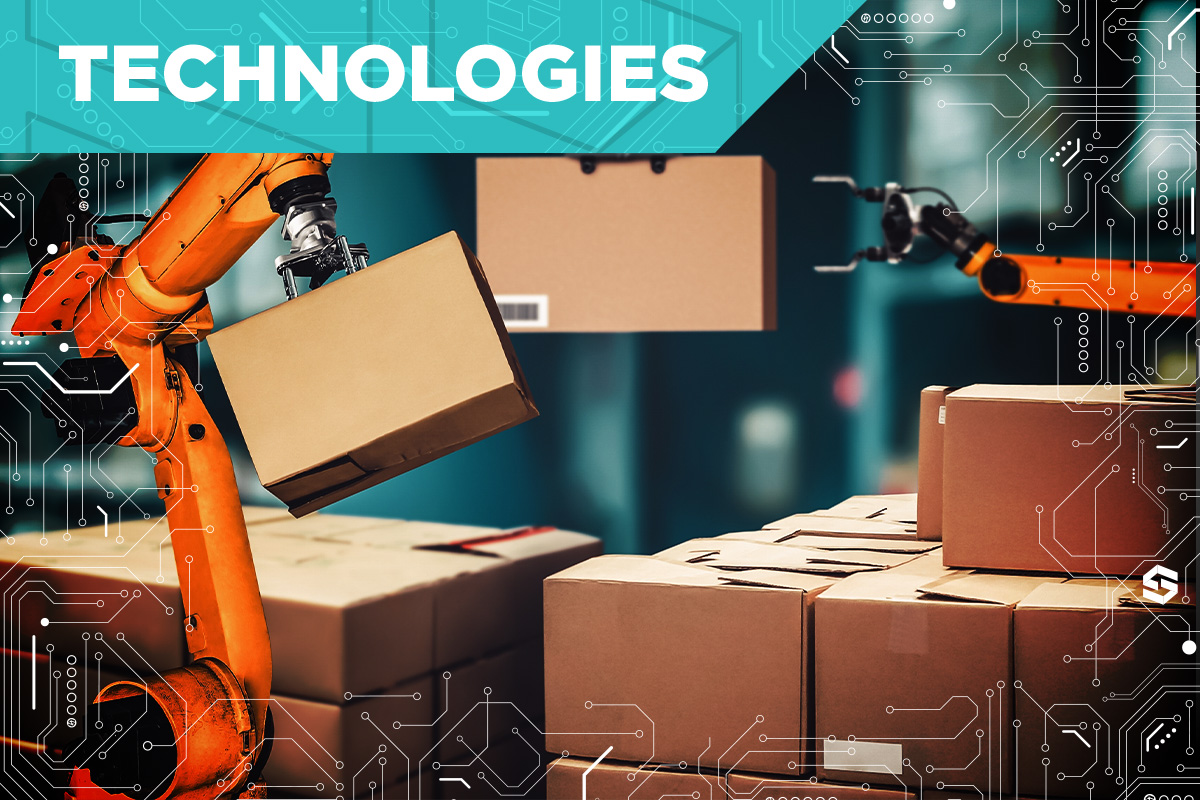
- Robotic inventory receiving and material handling
- Mobile workflows for picking and packing
- RFID-enabled tracking for pallets, cases, and items
- Intelligent shipping and labeling solutions
- Proactive inventory metrics that support forecasting and planning
When these technologies are integrated, they create a continuous flow of real-time data. Inventory levels update automatically. Exceptions are flagged earlier. Orders move faster with fewer errors. And operations teams gain the insight they need to respond before small issues become costly delays.
This level of performance isn’t possible when systems operate in silos. It requires full solution selling—where hardware, software, and connectivity are designed to work as a unified ecosystem.
Beyond the warehouse: fleet and last mile visibility
Smart logistics doesn’t stop at the loading dock.
Transportation and last mile delivery are critical points of visibility—and risk—within the supply chain. Without real-time insight into vehicle location, condition, and performance, organizations are left reacting to problems after they occur.
Smart logistics solutions extend visibility through:
- GPS-based vehicle tracking
- Telematics for performance and maintenance monitoring
- Delivery confirmation and proof-of-delivery tools
- Route optimization and driver behavior analytics
These capabilities help logistics organizations improve delivery accuracy, reduce fuel and maintenance costs, and provide customers with more reliable timelines and updates.
For partners, this creates opportunities to deliver integrated solutions that connect warehouse operations, transportation systems, and customer-facing data into a single, coordinated view.
Improving safety and security across the supply chain
Visibility isn’t only about efficiency—it’s also about protection.
Logistics environments face increasing risk across warehouses, yards, and fleets. Smart logistics solutions incorporate advanced safety and security technologies to help organizations better protect people, assets, and inventory.
Examples include:
- AI-driven video analytics for warehouses and yards
- Anomaly detection to identify unusual activity or safety risks
- Intelligent access control and monitoring
- Fleet safety tools that support compliance and driver protection
When security technologies are integrated with operational data, organizations gain a clearer picture of risk and performance across the supply chain—enabling faster response and more informed decisions.
Core capabilities of smart logistics solutions
While every logistics environment is different, smart logistics solutions are built on a common set of core capabilities:
Asset tracking
Real-time location and condition monitoring of inventory, pallets, vehicles, and equipment across facilities and transit.
Warehouse automation
Faster picking, packing, and material handling enabled by mobility, RFID, and automation technologies.
Fleet and last mile visibility
GPS tracking, telematics, and delivery confirmation that improve efficiency and accountability.
Analytics and insights
Operational data transformed into actionable intelligence that supports forecasting, planning, and continuous improvement.
Individually, each capability adds value. Together, they deliver outcomes that logistics customers increasingly expect.
Why integration matters
Smart logistics works only when systems are connected.
- Hardware captures the data
- Software interprets and applies it
- Connectivity ensures it flows in real time
When these components are sold and deployed together, organizations gain insight—not just information.
This is where full solution selling becomes essential. In logistics, success depends on designing and delivering complete ecosystems, not isolated components. Devices, software, connectivity, and services must be aligned from the start to support scalability, performance, and long-term adoption.
Full solution selling in logistics
Full solution selling in logistics means moving beyond transactional sales and toward outcome-driven partnerships.
For sales partners, this approach enables:
- Larger, more strategic engagements
- Deeper customer relationships
- Expanded opportunities across the supply chain
- Long-term value beyond the initial deployment
How ScanSource helps partners deliver smart logistics solutions
ScanSource helps partners deliver smart logistics solutions by simplifying complexity and accelerating go-to-market success.
Through ScanSource, partners gain access to:
- End-to-end solutions built with complementary, vetted technology partners
- Vertical-aligned expertise that supports logistics-specific use cases
- Pre-sale and post-sale support to reduce risk and speed deployment
- Enablement and resources that support scalable growth
The Smart Series framework makes it easier for partners to package, position, and deliver integrated logistics solutions—without having to build everything from scratch.
The Smart Series approach
Each Smart Series solution:
- Consists of end-to-end solutions using complementary technologies chosen by ScanSource
- Aligns with both technology expertise and partner vertical specialization
- Combines purpose-designed hardware, software, and consultative services
- Is supported by a clear value proposition and go-to-market strategy
Learn more about how ScanSource supports full solution selling and smart vertical solutions!